Queer Tulum Guide
Is Tulum LGBTQ+ Friendly? A Queer & Trans Local's Honest Answer
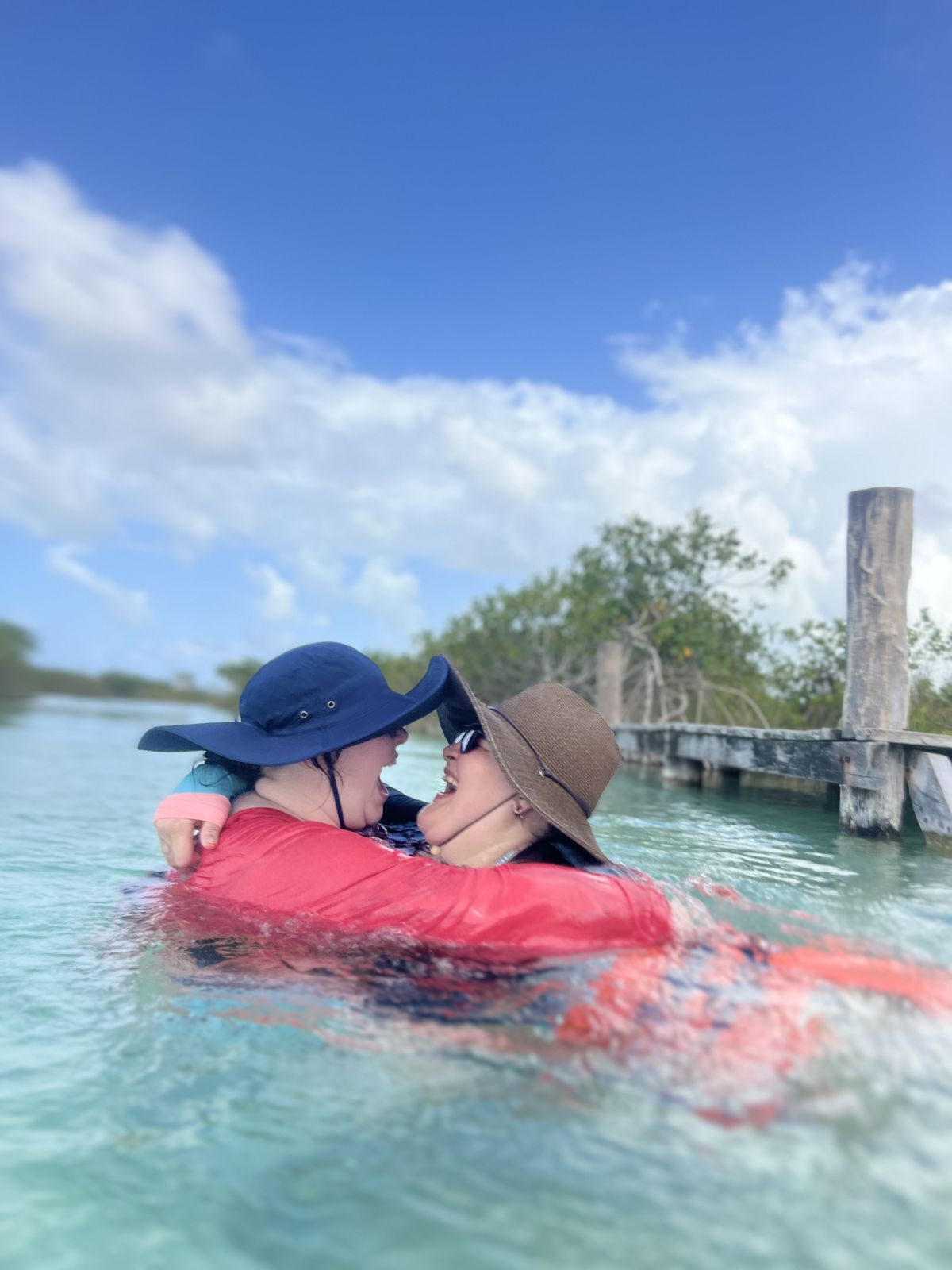
Queerness Experiences is a tour and group trip agency for sapphic, queer, and trans travelers in Tulum.
Is Tulum safe and friendly for LGBTQIA+ people? Yes, and there are some specific cultural nuances worth knowing before you land.
The quick answer
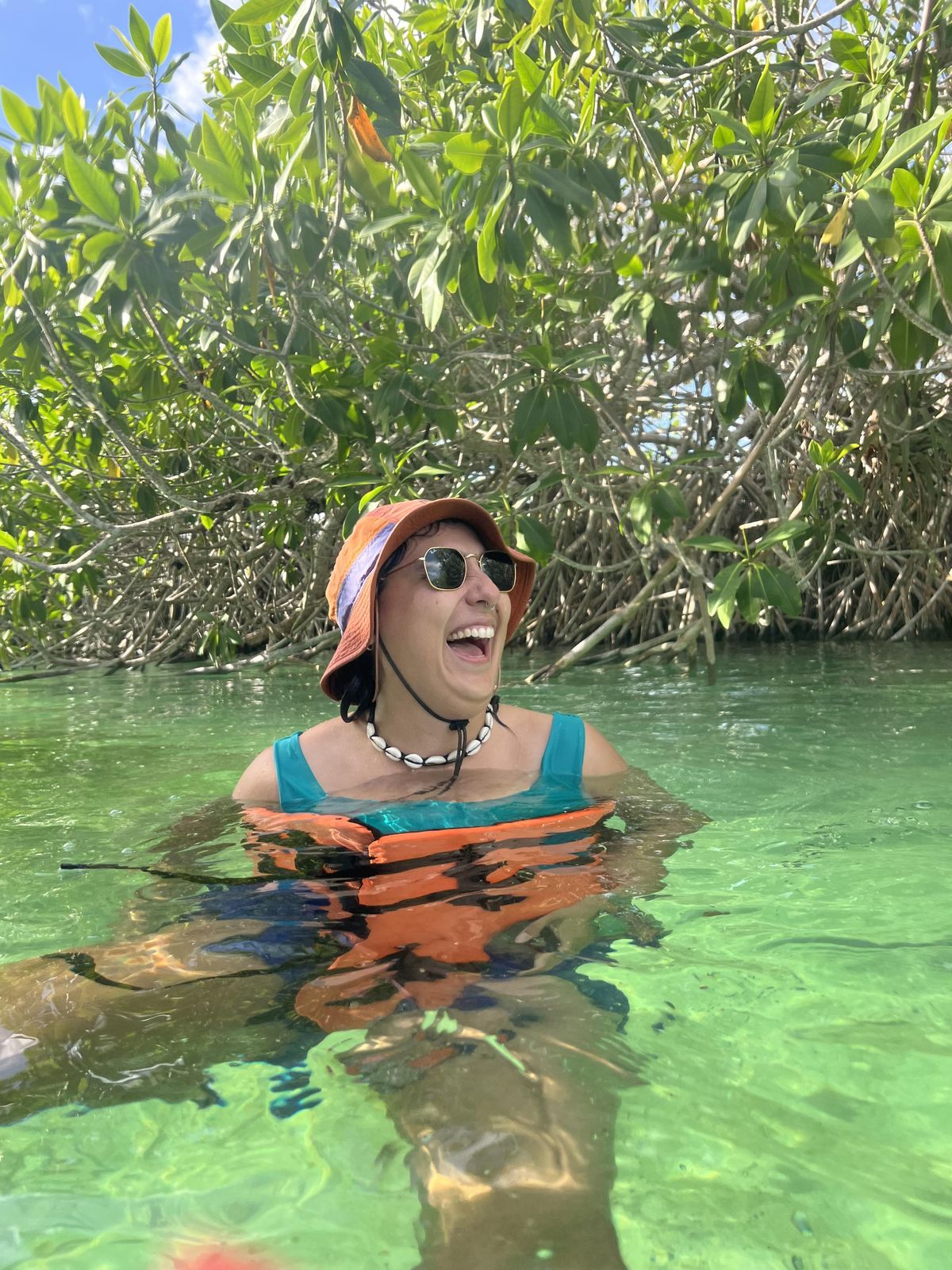
- This is my honest take, from running an agency that connects queer and trans people with Tulum, and from speaking at international conferences about queer travel.
- I'm Santi: queer, nonbinary, Mexican, and a Tulum local for over 10 years. I run Queerness Experiences.
Why Tulum is LGBTQ+ friendly, from someone who lives here
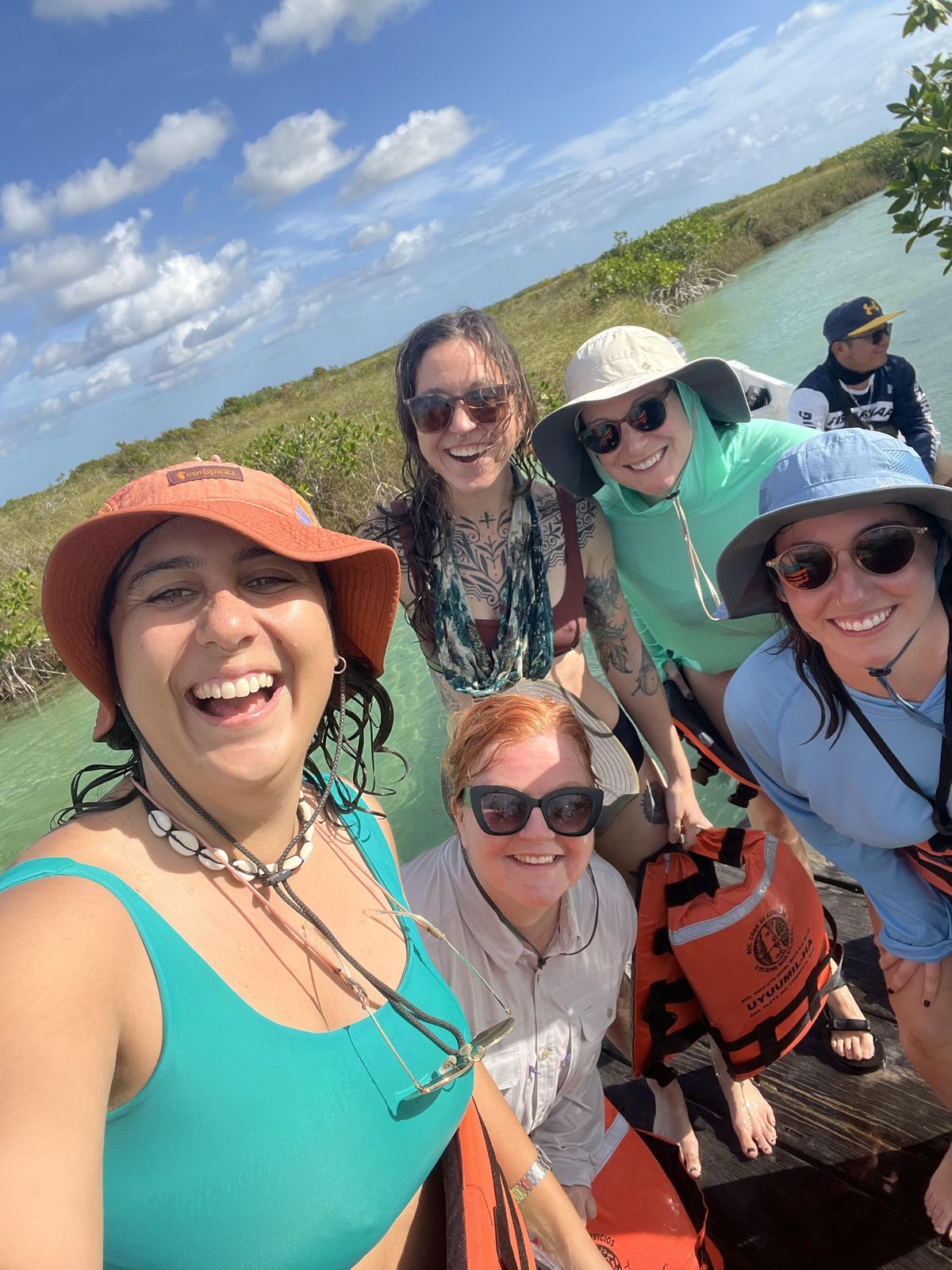
- I started Queerness Experiences because of how safe, comfortable, and accepted I felt here day to day.
- Tulum welcomes all kinds of diversity, and that openness makes space for queer people to thrive, even without one centralized "queer neighborhood."
- Spend a day here and you'll start to spot queer people all over. People generally leave you alone.
What you'll see here
- Gender expression here doesn't always look the way it does in the US. It's woven into daily life instead of confined to one scene.
- Individual biases exist here like anywhere. But this place makes it possible for me to run tours where people go to the cenote in their bathing suits after top surgery, or in a bikini while keeping their beard, and just have an awesome day.
- The Secret Cenote Tour is a great option for gender diverse people who want to feel completely at ease in their bathing suit: we get the cenote all to ourselves, and it's shaded from the sun.
A real conversation about language
- Something nobody else writing about Tulum mentions: pronouns and language.
- In English, I use they/them exclusively.
- In Spanish, where almost every word carries a gender, I use exclusively gender-neutral language in queer spaces.
- Outside queer spaces, even I sometimes slip into gendered language, and I've found joy in mixing all pronouns in one sentence.
- Neutral language isn't the default in everyday Spanish, but queer spaces here are good about using it, even if a word occasionally slips into masculine or feminine.
- People outside the queer community are making an active effort too.
- It's a change in language, and change takes time.
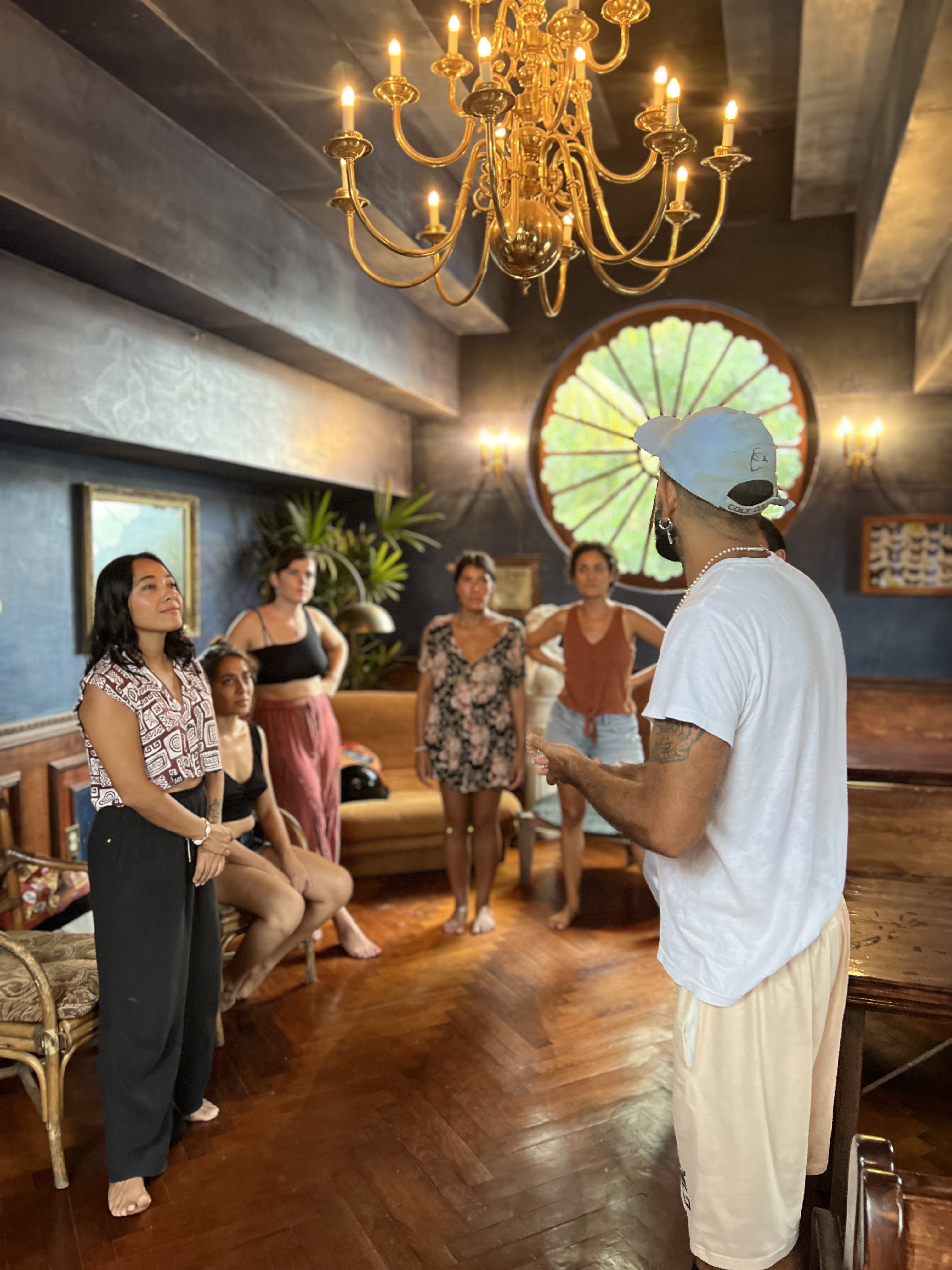
Outside queer spaces, there's a high chance you'll be misgendered. Here's why
- Spanish does have a gender-neutral form, but it has to be applied to nearly every word that describes a person.
In one sentence, we have to change:
- Some people may do it on purpose. But a lot of the time it comes from the challenge of speaking such a gendered language.
One sentence, three ways
"They're a wonderful person, caring, intelligent, and I love them a lot."
- NeutralElle es una persona hermosa*, cuidadose, inteligente y le quiero mucho.
- MasculineÉl es una persona hermosa*, cuidadoso, inteligente, y lo quiero mucho.
- FeminineElla es una persona hermosa, cuidadosa, inteligente y la quiero mucho.
In English, "they" does the work. In Spanish, the pronoun, the adjectives, and even "love them" all change.
Two things to notice
- *Persona is a feminine word, so hermosa keeps its -a in all three versions, even when you're talking about a man. You can change it to hermose, but keeping the -a is the real neutral.
- Inteligente ends in -e and doesn't change at all, so it's the same in all three.
- In Spanish, a group of 30 women and one boy takes the masculine pronouns for everyone. (Yes, boy, not man.)
- A lot of the feminist movement is moving toward using the feminine for the whole group instead.
- I was the lead master of ceremonies at the trans-inclusive Women's Day March in Tulum, and the priority was respect. I used neutral in certain moments, but I leaned more into the feminine pronouns.
- In Tulum, and across Mexico, a greeting is usually a side hug.
- Otherwise, we call it a kiss on the cheek, but really it's cheek to cheek, with a kissing noise.
- Among men, there's no kiss: it's just the side hug.
- When someone can't read my gender, especially men, I sometimes get greeted like a man: a handshake that turns into a pat on the back.
- Mexico is a polite society that leans on these terms the way "sir" and "ma'am" work in the U.S.: a way of showing respect, not an assumption about who you are.
- So you may hear words like these from service workers, and from people you become acquaintances with around town: mi reina ("my queen"), linda ("pretty one"), joven ("young one," usually used for men), compa ("buddy," usually for men), güera or güero ("blond," used for anyone light-skinned), jefe or jefa ("boss"), mi amor ("my love"), and the typical señorita and señor.
- They come from a place of warmth and care, even when they don't match how you identify.
None of this is an excuse. It’s context. And the trend is moving toward people giving more importance to pronouns.
Is Tulum LGBTQ+ friendly? What the numbers actually say
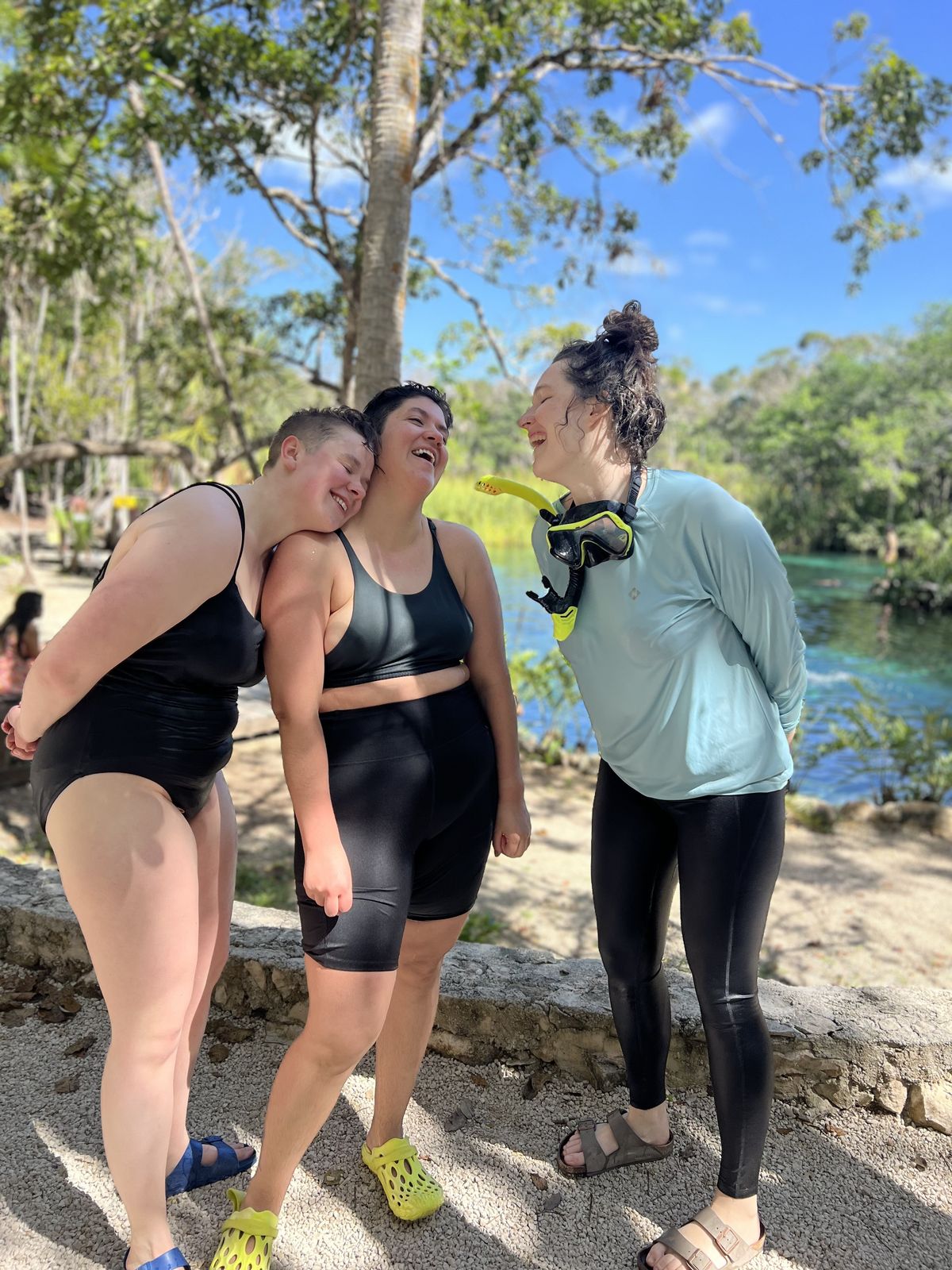
- Mexico is one of only 11 countries in the world with LGBTQ+ anti-discrimination protections written directly into its constitution, the same company as Sweden and Portugal. The United States has not done this at the federal level.
- Same-sex marriage has been legal in Quintana Roo, the state Tulum is in, since 2012.
- Mexico offers a federal "X" gender marker on passports for nonbinary travelers, though broader legal recognition is still handled state by state.
- Legal protections and lived reality aren't always the same thing, and conditions vary a lot depending on where you are.
- A queer traveler would have a very different experience in New York City versus a small town in rural Georgia. Tulum, Mexico City, and Puerto Vallarta are likewise not the same as a small, rural town elsewhere in Mexico.
- Tourist hubs and major metro areas tend to be more internationally minded and more used to queer visitors. That's true here just like it's true everywhere.
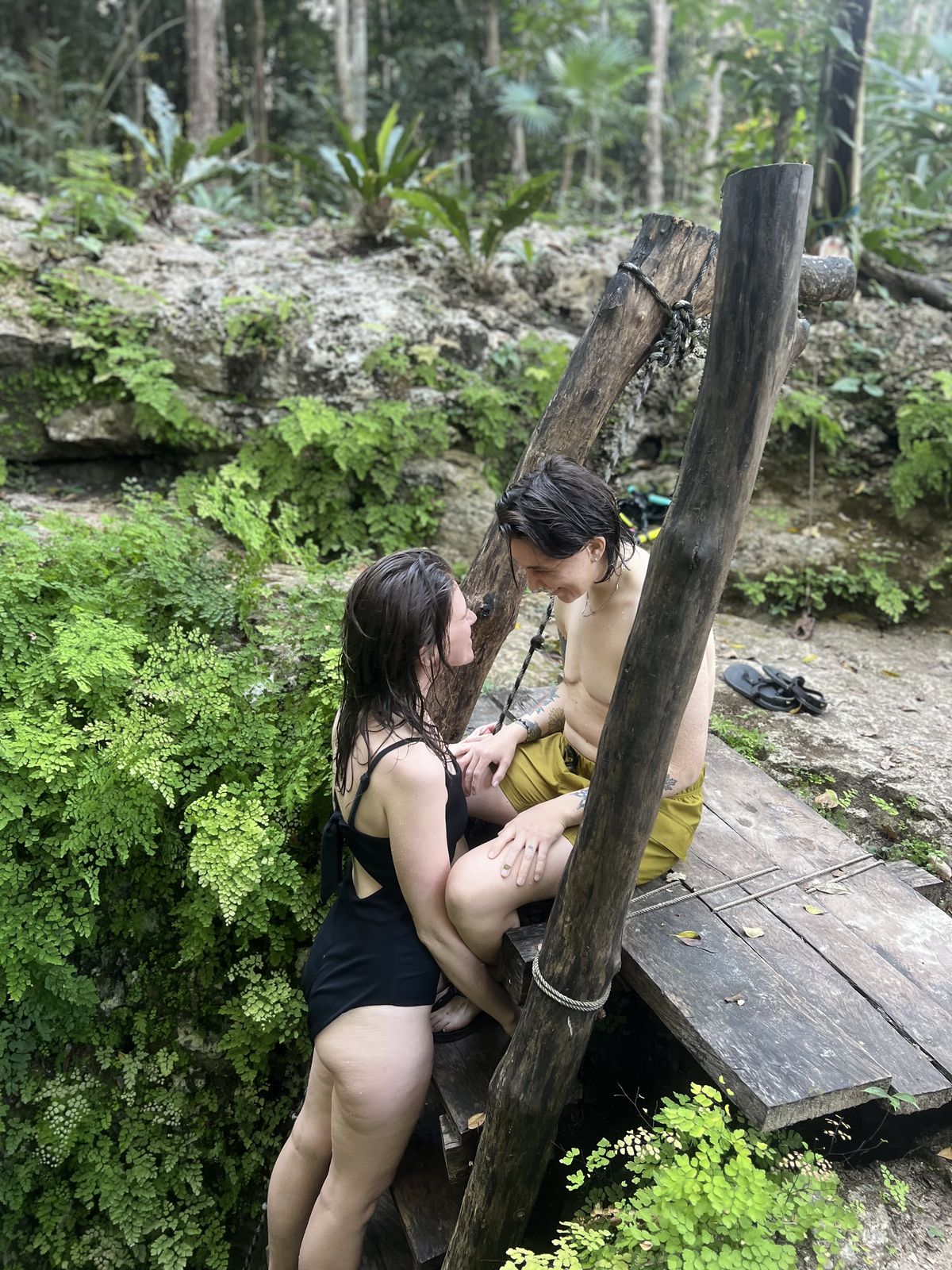
- Since 2023, running queer and trans tours and group trips here, I've heard mostly great things, and lots of neutral things. People haven't made comments about the situation, in the airport or anywhere else.
- The Secret Cenote Tour is a great option for gender diverse people who want to feel completely at ease in their bathing suit: we get the cenote all to ourselves, and it's shaded from the sun.
- Thinking about a queer destination wedding? Tulum is legally straightforward and stunning.
Pride, Tulum-style
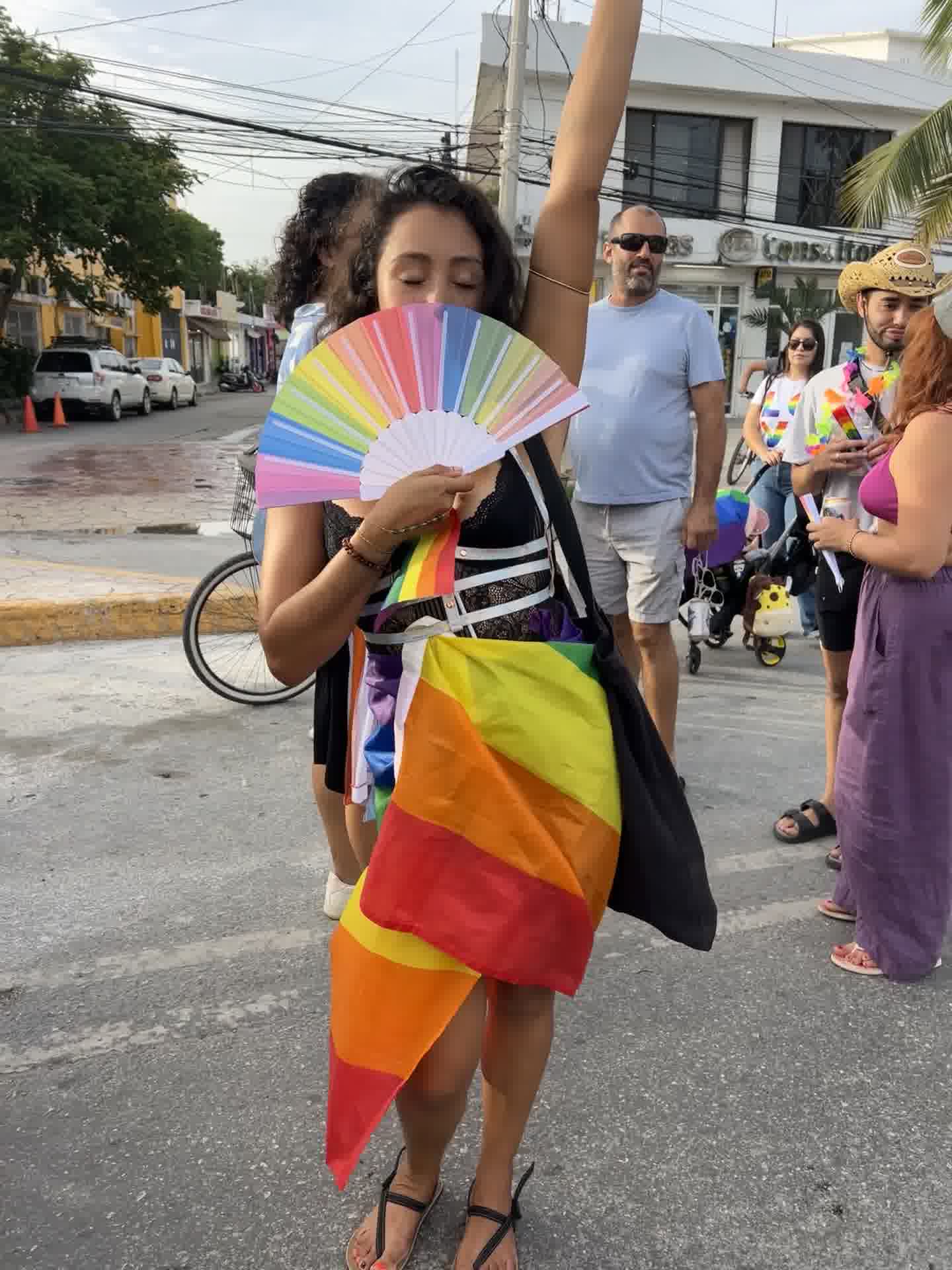
- Pride here is organized by a local LGBTQ+ community group, and it includes a pageant scene where the primary participants are Mayan. It's one of the most joyful things I've witnessed in this town.
- It's nothing like Puerto Vallarta's Pride, and it doesn't need to be.
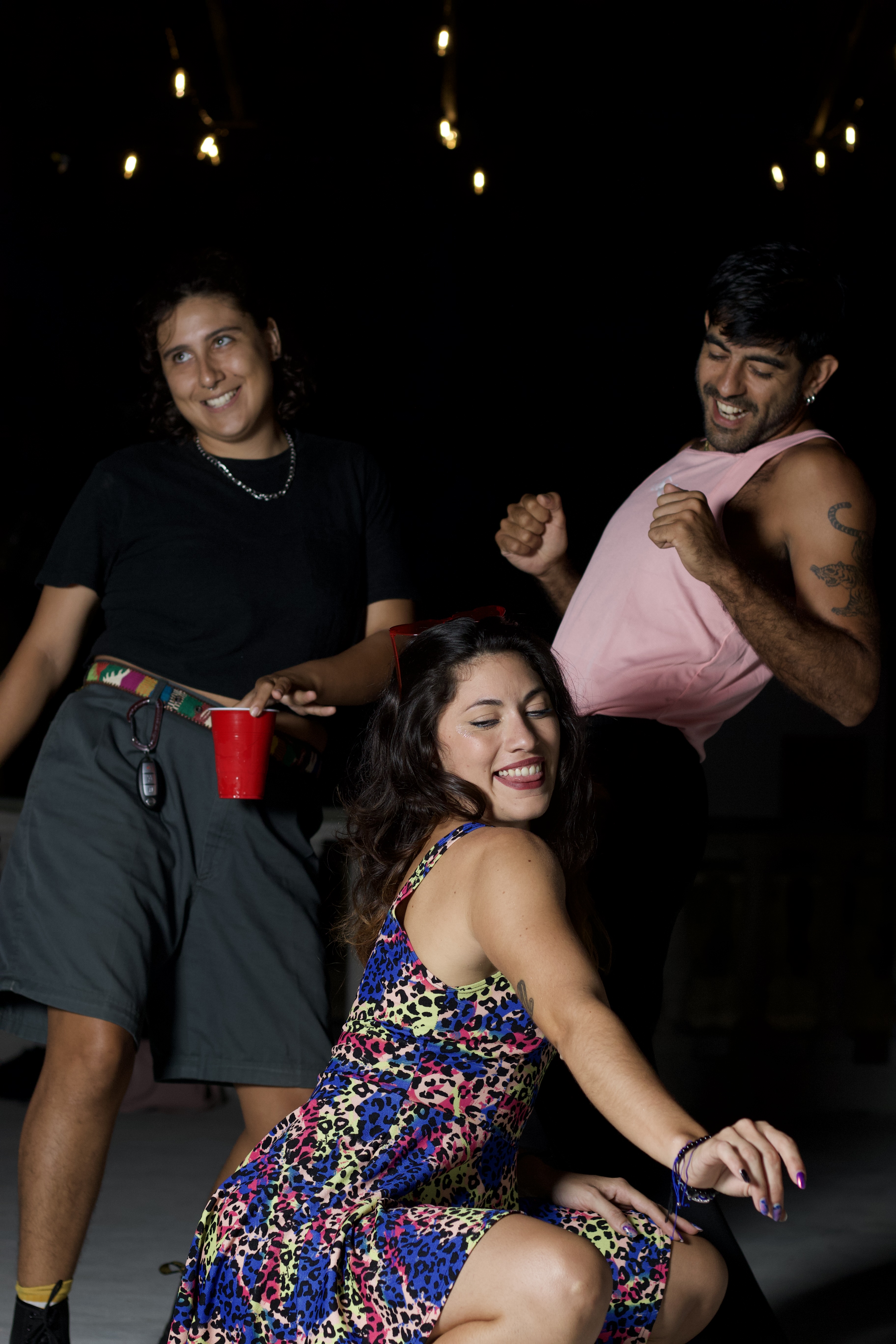
- Tulum's version of queer life is quieter and more woven into everyday life than concentrated into one scene or parade. For a lot of our travelers, that ends up being exactly what they needed.
Recommendations
Want our actual coffee shop, restaurant, and bar recommendations, plus the money tricks and how to get around, with Uber in town and taxi options for the Hotel Zone? Start here:
Planning your trip?
Free recs, or the full guide?
Our free recommendations are perfect for a day trip in Tulum. Staying longer? The full guidebook has 3-4 days planned out, plus direct email access to me.
They MADE my trip to Tulum. … The website and guide were super helpful.★★★★★ Chashah Johnson, Google review
FAQ
Yes. Tulum is welcoming for queer and trans travelers. You can hold your partner's hand, be visibly queer, and move through town without drama, particularly in tourist areas.
Yes. Tulum is one of the safer destinations in Mexico for LGBTQ+ travelers, with legal protections written into the Mexican constitution and same-sex marriage legal in Quintana Roo since 2012. Read the full breakdown above for the nuance most guides skip.
There's a real chance, especially outside queer spaces, but a lot of the time it comes from the challenge of speaking such a heavily gendered language. Some people may do it on purpose. Within Tulum's queer community specifically, people are notably good about using gender-neutral language. It's something the town is actively getting better at.
Yes. You'll see other queer couples holding hands and showing affection in Tulum.
Red Room used to be Tulum's main gay bar, but as of writing it appears to be closed (we're not sure if that's temporary or permanent). Our real recommendation for a broader queer-friendly night out is La Guarida.
Yes. Same-sex marriage has been legal in Quintana Roo since 2012. Message us for tips on photographers and wedding planners if needed.
Yes. Mexico is one of only 11 countries worldwide with LGBTQ+ anti-discrimination protections written directly into its constitution, alongside countries like Sweden and Portugal. Same-sex marriage is legal nationwide.
The best option is the Secret Cenote Tour, because we get the cenote all to ourselves. See the Secret Cenote Tour →
Yes. Our LGBTQ+ Tulum tours are built for solo queer and trans travelers, couples, friend groups, and larger groups alike. Some of our best queer Tulum tours have been just one person and Santi exploring the town together.
Ready to see it for yourself?
Explore Tulum with a queer local
Small-group tours led by a queer, nonbinary Mexican local. Cenotes, local food, and the Tulum most visitors miss. ★★★★★ 5.0 · 19 Google reviews
It was also a gift to be guided in these experiences by another queer person as a queer couple.Madge Dietrich, Google review